
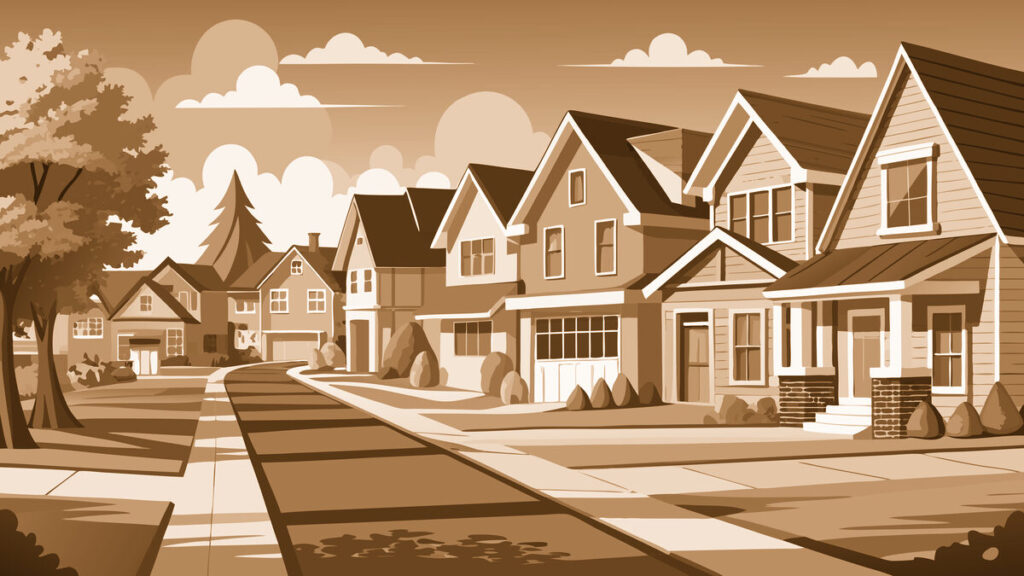
Nestled on the eastern edge of St. Marys, Ohio, the East Add neighborhood is a living tapestry of local history, family legacies, and cherished landmarks. Known for its friendly streets, proud traditions, and enduring character, East Add remains a beloved enclave, simultaneously honoring its roots and evolving alongside the city it calls home. As a longtime resident, I’m thrilled to share the story of East Add—a story woven into every sidewalk, school, and backyard of this unique St. Marys community.
Origins: How East Add Came to Be
The name "East Add" is an abbreviation of "East Addition," a nod to the neighborhood’s origins in the late 19th and early 20th centuries when St. Marys experienced its first major surges of growth. The demand for housing east of the St. Marys River led to a formal expansion of city limits; the land was “added” to the original town plat, hence the neighborhood’s name.
East Add was mapped out with care. Old city records show that families migrated here to build neat two-story homes close to the industrial heart of St. Marys. In these early days, the neighborhood’s character was defined by tight-knit blocks and the hum of progress from Main Street to the clear banks of the St. Marys River.
Key Historical Milestones
East Add’s legacy is filled with quiet milestones:
- Establishment of East Primary School (1922): As one of the oldest institutions in the neighborhood, East Primary (later East Elementary) stood for decades on the corner of S. Vine and E. Spring Streets. Generations of St. Marys children filled its classrooms, creating a sense of community pride that endures long after the doors closed.
- The Oil Boom Era: In the late 1800s, the Ohio oil boom brought new energy—and people—into St. Marys. Many oil workers and their families settled in East Add, which grew quickly along streets like Spring, Vine, and South Streets. Some houses from this era still stand, marked by distinctive woodwork and stone foundations.
- Preservation of the Riverside: For many East Add residents, the proximity to Memorial Park and the Miami & Erie Canal has always been a source of pride. The parklands bordering Front Street are a testament to community efforts to maintain green space even as the neighborhood matured.
- East View United Church of Christ: Originally established as a neighborhood parish, East View Church became a focal point for worship, community dinners, and local events for more than 60 years. Its stonework and stained glass still watch over the eastern lanes of the neighborhood.
Notable Landmarks and Streets
Walking the streets of East Add, you’ll encounter reminders of its storied past:
- S. Vine Street: Once a “main artery” of the neighborhood, Vine Street is lined with well-kept homes, many over a century old. At the corner of Vine and Spring, the old playground site is now a green lot where children still gather under mature maple trees.
- Memorial Park: Bordering the neighborhood to the west, Memorial Park is more than a place for summer picnics and ballgames. It’s where the community celebrates its heritage—with annual festivals, holiday parades, and Veterans Day remembrances beneath the stone memorial arch.
- Front Street and the Canal: East Add is uniquely positioned at the historic intersection of Front Street and the Miami & Erie Canal. Here, the legacy of canal-boom commerce can still be seen in stone bridges and the preserved canal locks that echo with stories of St. Marys’ beginnings.
- East View United Church of Christ: Even after its congregation merged, the old church remains a neighborhood landmark, its bell tower visible above the rooftops—a silent sentry for new generations.
Evolution Through the Decades
East Add is nothing if not adaptable. While its roots are unmistakably historic, the neighborhood has grown and changed, reflecting the evolving needs of St. Marys:
- Mid-20th Century Modernization: In the 1950s and ’60s, many original homes were updated or expanded. New schools and small businesses appeared, fostering greater self-sufficiency and local pride.
- 20th-Century Industry and Community Pride: East Add’s close proximity to St. Marys’ factories and shops kept its sidewalks busy with workers on morning commutes. Block parties, bake sales, and summer parades became annual traditions along Vine and Front Streets.
- Today’s Neighborhood: Modern East Add is a mix of old and new—original farmhouses, mid-century brick ranches, and newer constructions stand side by side. The sense of community persists, fueled by neighborhood watch groups, revitalization efforts, and a common affection for the area’s heritage. Walkers, joggers, and bicyclists often wind their way through the tree-lined avenues and along the canal towpath, embracing the neighborhood’s safe, welcoming spirit.
What Makes East Add Special
To me, East Add has always felt like the “front porch of St. Marys”—a place where neighbors wave from their steps and children walk to the park together. The views along the Miami & Erie Canal remind us of the city’s beginnings; the laughter from Memorial Park speaks to the joys of small-town life.
Here are just a few of the things that make East Add unique:
- *Generations of families still living on the same blocks, with some houses passing from grandparent to grandchild.*
- *The annual Memorial Park neighborhood picnic, where locals trade stories and swap recipes under shady oaks.*
- *The preserved church and school structures, even when repurposed, serving as daily reminders of local pride and unity.*
- *Easy access to both St. Marys’ historic downtown and the peaceful riverside trails.*
Conclusion
East Add is more than an addition to St. Marys—it’s the living heart of a town that remembers where it came from. With every passing year, its homes, parks, and traditions gain new meaning for those who live here and visit. By walking its streets, chatting with long-established families, or simply enjoying the peace by the canal, you can feel a sense of heritage that few places can match.
Whether you’re a lifelong resident or a first-time visitor, East Add welcomes you with open arms—and plenty of stories yet to be told.